
• Refractory Excellence, Delivered with Precision.

Aluminium

  • Home
  • industry focus

Aluminium Refractory Solutions for Melting & Holding Furnaces

Thermlyte provides engineered aluminium refractory systems designed to withstand thermal shock, metal and flux attack, and abrasion in aluminium melting and holding furnaces. Each furnace zone faces unique operating stresses, requiring tailored material selection to achieve extended lining life and high energy efficiency.
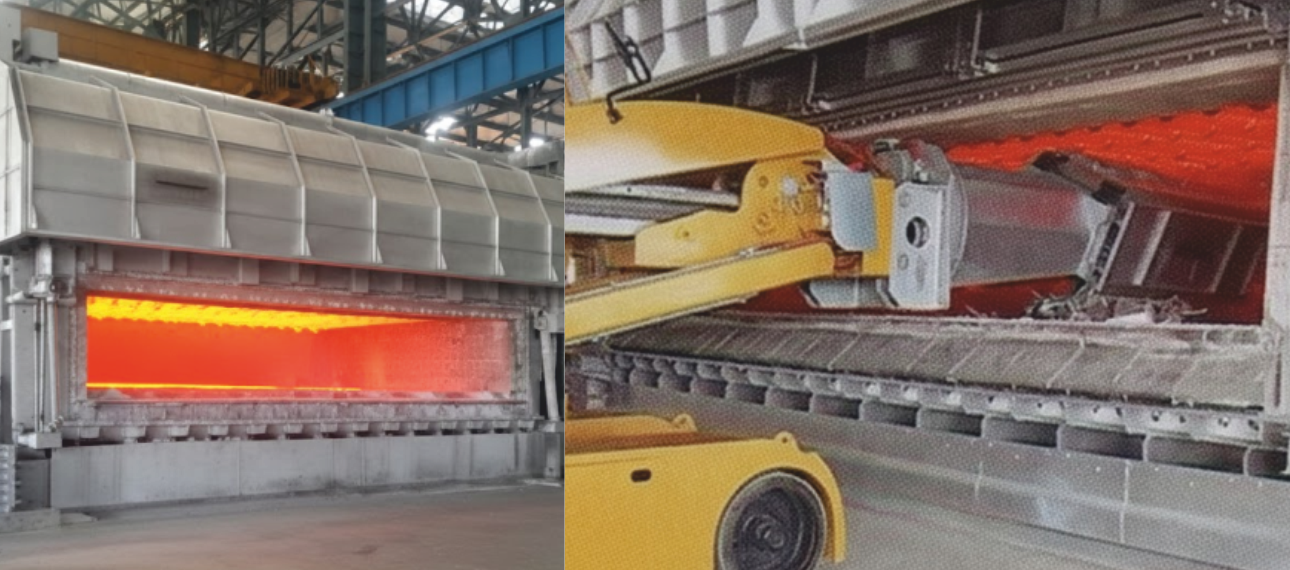
Key Failure Zones & Thermlyte Solutions:

  • Hearth / Bath Contact: Non-wetting, low-porosity SiC castables or phosphate-bonded bricks resist molten aluminium and flux penetration.
  • Side Walls: Thermal shock-resistant, non-wetting refractories with controlled thermal conductivity.
  • Roof / Crown: Lightweight insulating castables provide excellent spalling resistance.
  • Burner / Charge Door: 90% Al₂O₃ non-wetting castables, phosphatebonded plastics, and low-porosity gunning mixes deliver high abrasion resistance and enable rapid repairs.
  • Tap Hole / Spout: Dense SiC-reinforced castables provide superior resistance to erosion and molten metal flow impact.
  • Overhead / Anchor Zones: Ceramic-anchored plastic refractories ensure stability under repeated thermal cycling.
Thermlyte aluminium refractory lining for melting and holding furnaces

Thermlyte Advantages:

  • Non-Wetting Formulations: Reduce molten metal penetration and flux attack.
  • High MOR & Fracture Toughness: Minimise cracking and spalling under demanding operating conditions.
  • Low Thermal Expansion & Controlled Thermal Conductivity: Improve energy efficiency and thermal performance.
  • Fast Installation: Plastic refractories and low-porosity gunning castables enable faster installation and maintenance.
  • Zone-Specific Designs: Engineered for melting, holding, charging, tapping, and roof areas.
  • Topping-Up Solutions: Restore worn refractory areas, reducing downtime and overall lining costs.

Maintenance Practices:

  • Anchor Inspection: Inspect and replace oxidised or deformed anchors to maintain refractory lining stability.
  • Controlled Heat-Up: Follow controlled heat-up and gradual start-up procedures to minimise thermal shock.
  • Localised Repairs: Use plastic refractories for local repairs without requiring a full shutdown.
  • Lining Thickness Monitoring: Regularly monitor lining thickness to support preventive maintenance and extend service life.
  • Proper Mixing & Water Addition: Maintain the correct mixing procedure and water addition to achieve uniform refractory density.
Products Recommended Area of Application
THERMFLOW NW 90 AL (Non wetting castable) Furnace Side walls
THERMFLOW NW 80 AL (Non wetting castable) Hearth areas
THERMFLOW NW 60 AL (Non wetting castable) Hearth areas
THERMFLOW LC 80 / LC 60 / 45 (Low Cement Castables) Furnace Roof
THERMINSUL LW 11 LI / LW 8S Furnace Roof
Phosphate Bonded Bricks Runner Areas
High Alumina Bricks / SiC Blocks Taphole Area
Light Weight High Strength Insulation Castable Taphole Area


Previous

PETROCHEMICAL

Next

CEMENT